The Art of Sprint Planning: A Framework That Actually Works

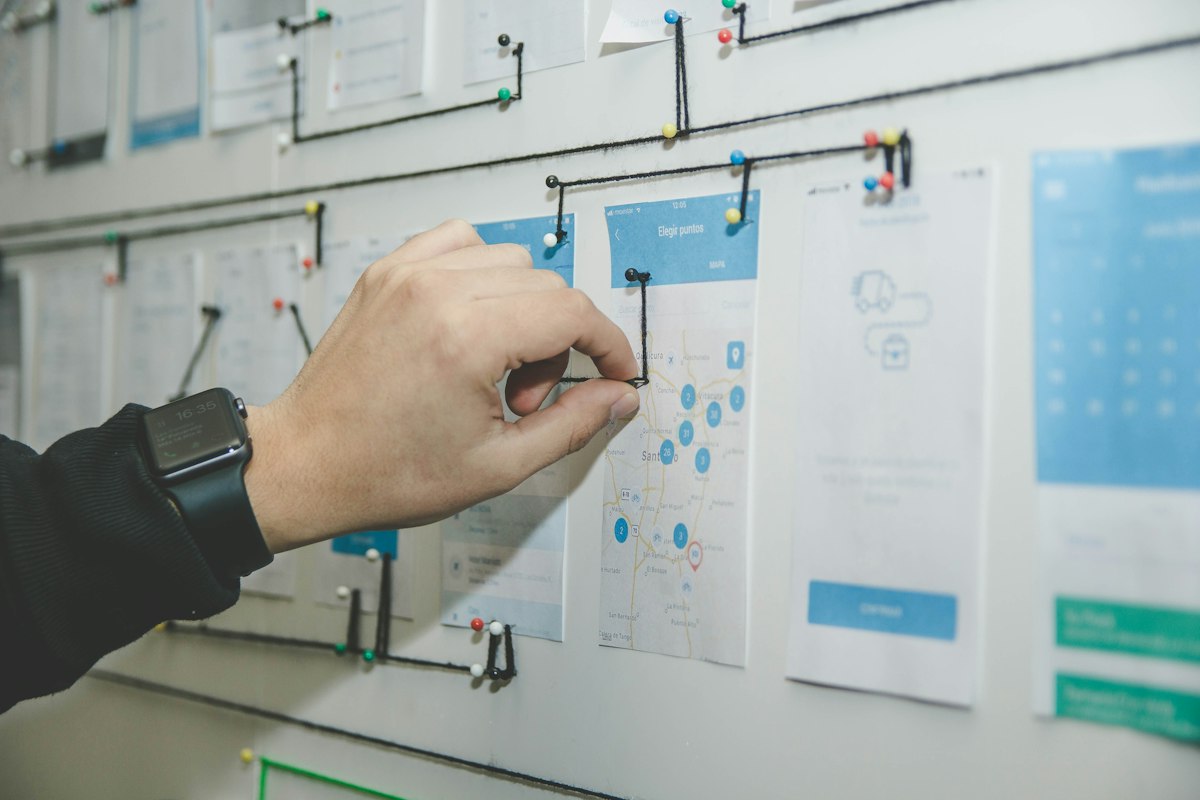
Sprint planning doesn't have to be a dreaded ceremony. After refining this process across 172+ projects, I've developed a framework that keeps teams engaged and sprints predictable. Here's how to transform your sprint planning from a painful obligation into a valuable team ritual.
The Problem with Traditional Sprint Planning
Most sprint planning sessions suffer from the same issues: they run too long, developers zone out, estimates are wildly inaccurate, and the team commits to work they can't finish. Sound familiar?
"A well-run sprint planning session should feel like a strategy meeting, not a punishment."
The Three-Part Framework
Part 1: The "Why" (10 minutes)
Start with context. What are the sprint goals? How does this sprint connect to the product vision? Teams that understand the "why" make better decisions throughout the sprint.
Part 2: The "What" (30 minutes)
Review and refine the backlog items being considered. This isn't estimation time — it's clarification time. Every story should pass the "ready" criteria before estimation begins.
Part 3: The "How Much" (20 minutes)
Now estimate and commit. Use planning poker or t-shirt sizing, but keep it moving. If a story sparks more than 2 minutes of debate, it needs more refinement.
Sprint Planning Checklist:
- Backlog refined at least 2 days before planning
- Sprint goal defined by Product Owner
- Team capacity calculated (account for PTO, meetings)
- Previous sprint velocity reviewed
- Definition of Done visible to all
Common Pitfalls to Avoid
Don't let sprint planning become a design session. If the team is solving technical problems during planning, your refinement process needs work. Similarly, avoid the temptation to over-commit. A sprint that delivers 80% of planned work consistently is better than one that delivers 60% while the team burns out.
Making It Stick
The best sprint planning happens when the team owns the process. Rotate facilitation, experiment with formats, and always retrospect on the planning session itself. What worked? What didn't? Continuous improvement applies to ceremonies too.